trauma informed luxury rehab
Trauma informed luxury rehab begins with care that respects how past experiences shape substance use. Across the United States, 725 SAMHSA-listed residential programs run by private for-profit organizations accept private insurance or self-payment. This directory helps you compare private-pay residential rehabs without rankings or sales pressure.

- options near the United States
- 725
- take Medicaid
- 399
Trauma-informed care is a framework, not a brand. In this directory, we count 725 SAMHSA-listed residential facilities that describe themselves this way and are run by private for-profit organizations. Those are programs where you or your family pay through private insurance or self-payment, often called luxury rehab. The same federal listings show 301 of these also offer outpatient care and 399 accept Medicaid, which matters if you are weighing coverage options.
Comparing trauma informed luxury rehab centers means checking staffing and privacy, not just amenities. A residential program with private rooms and a kitchen may still feel institutional if the clinical team is thin. Look for clear answers about who provides therapy, how meals and medication are handled, and whether family visits are possible. The amenities listed on this site come only from the centers in this directory, so use them as conversation starters rather than promises. No program can guarantee comfort or outcomes, and no single approach fits everyone seeking help with alcohol or drug use.
Why trauma informed care matters
The listing count of 725 reflects programs that claim this approach; it does not rank them or promise quality. Still, it gives you a realistic pool to question. If you are paying privately, you can ask directly how trauma screening shapes the daily schedule, not just the brochure.
Trauma informed luxury rehab programs in the United States often combine privacy with clinical structure. Look for a center that explains how it handles flashbacks, panic or conflict without punishment. The word luxury here refers to private-pay amenities and privacy, not to outcomes. For someone considering residential care, the practical question is whether the environment supports honest disclosure. If the answer is unclear, keep asking.

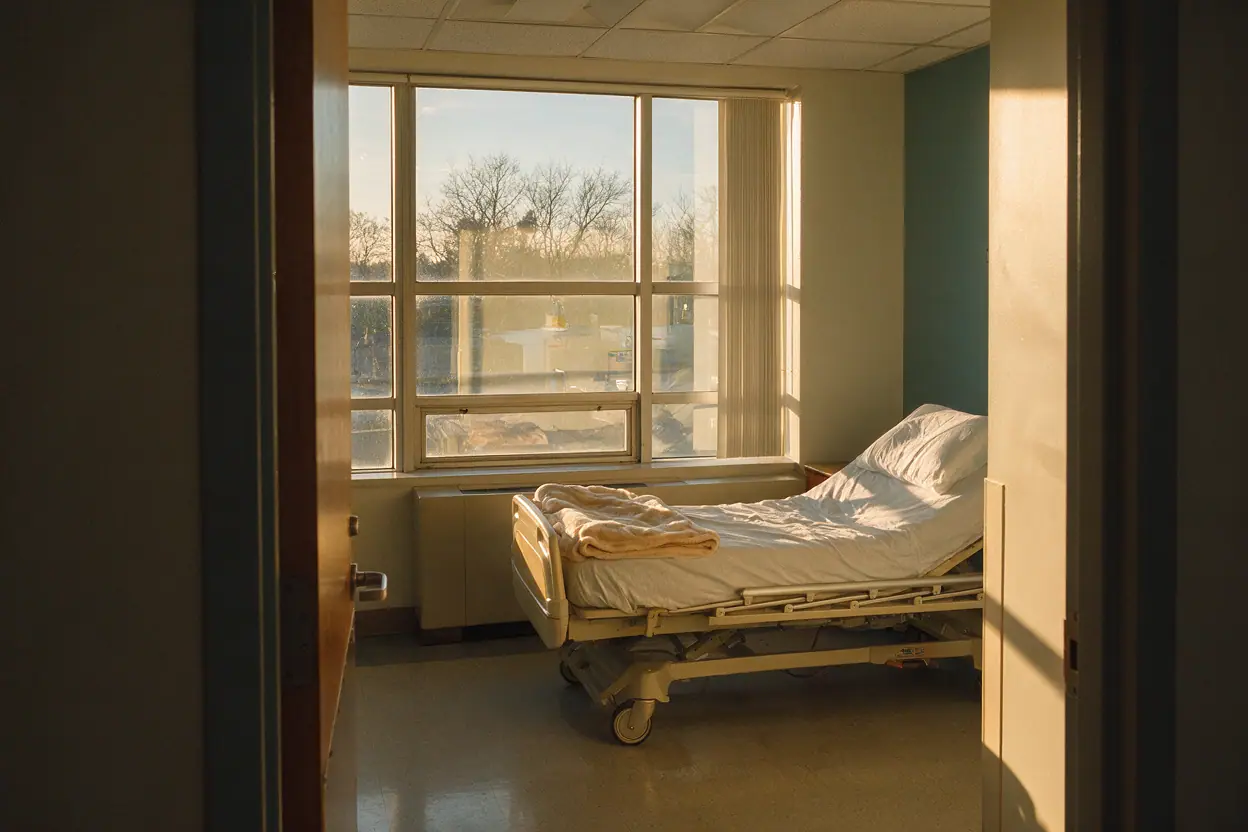
What the national counts show
Nationwide, 725 SAMHSA-listed residential programs describe themselves as trauma informed and take private insurance or self-payment. Those are counts for the whole country, not for one city or state; the directory sorts them by state and major metro area so your search gets narrower. Within that group, 689 take private insurance and 399 take Medicaid, which can widen your choices when coverage matters. The full directory holds 934 private-pay residential programs, so trauma informed care makes up a sizable portion. To compare places, begin with your state and then filter on the level of care you need.

- take Medicaid
- 399
- pay via private insurance
- 689
- work with Medicare
- 101
- provide reduced fees
- 102
| Center | Town | Offers | Takes |
|---|---|---|---|
| Buena Vista Health and Recovery LLC | Tucson, AZ | Detox, Residential, PHP, IOP, Outpatient | Medicaid, Insurance |
| Caring Hands Recovery LLC | Corona, CA | Detox, Residential | Insurance |
| Avenues Recovery Center at Denver | Aurora, CO | Detox, Residential, PHP, IOP, Outpatient | Medicaid, Insurance, Sliding fee |
| Newport Academy | Bethlehem, CT | Residential, PHP, IOP, Outpatient | Insurance |
| Banyan Delaware | Milford, DE | Detox, Residential, PHP, IOP, OTP | Medicaid, Insurance |
| Acworth Outpatient Detox | Acworth, GA | Detox, Residential, Outpatient | Medicaid, Insurance |
| Hawaii Island Recovery | Kailua Kona, HI | Detox, Residential, Outpatient | Insurance, Sliding fee |
| Stewards of Recovery | Idaho Falls, ID | Detox, Residential, IOP, Outpatient | Medicaid, Medicare, Insurance |
What you should ask a program
- Ask how trauma screening is done at intake and who reviews the results, then ask how that changes the daily schedule and therapy groups.
- Ask who provides therapy and how many clinical staff are on site during evenings and weekends, so you know what support looks like outside business hours.
- Ask whether private rooms are standard or an upgrade, and what the policy is on phones, visitors and family involvement.
- Ask how the program coordinates with your insurance and whether it can provide a written estimate of what you will pay before you commit.
FAQ in brief
Does insurance cover trauma informed luxury rehab?
Here, 689 of the 725 trauma informed residential programs take private insurance, and others may ask for self-payment. Before enrolling, request a written benefits check from the program, and verify what your plan requires for residential care.
How long do inpatient trauma informed programs last?
Residential programs vary widely, and this directory does not track length of stay. If you are paying privately, ask for the typical range and what happens if you need more time. The answer should come in writing, not just in conversation.
What is trauma informed luxury rehab?
It is private-pay residential care that screens for trauma and adjusts its rules, language and therapy to avoid repeating harmful dynamics, combined with upscale amenities such as private rooms. In this directory, 725 SAMHSA-listed residential programs describe themselves this way and are run by private for-profit organizations. The term luxury refers to the payment model and amenities, not to a guarantee of results. Ask any program what trauma informed means in practice.
Does trauma informed care cost more than other rehab?
This directory does not publish costs, and prices vary by program, location and length of stay. What we can say is that 725 trauma informed residential programs accept private insurance or self-payment, which means the payment model is similar to other private-pay rehabs. Ask for a written estimate that includes therapy, housing, meals and any added services.
How do I compare trauma informed rehab centers without rankings?
Begin with the questions listed here: staffing, trauma screening, privacy, and insurance. Nationally, the directory lists 934 private-pay residential programs, and 725 describe themselves as trauma informed. Build a short list with the state and metro filters, then phone each program and put the same questions to them. A program that cannot answer clearly has told you something useful. You might also check for accreditation by the Joint Commission or CARF, though accreditation is not a ranking.